
Emissions Offsetting
Carbon offsetting is a mechanism by which individuals, businesses, or governments balance their greenhouse gas (GHG) emissions by funding projects that reduce, capture, or avoid an equivalent amount of emissions elsewhere.
How does it work?
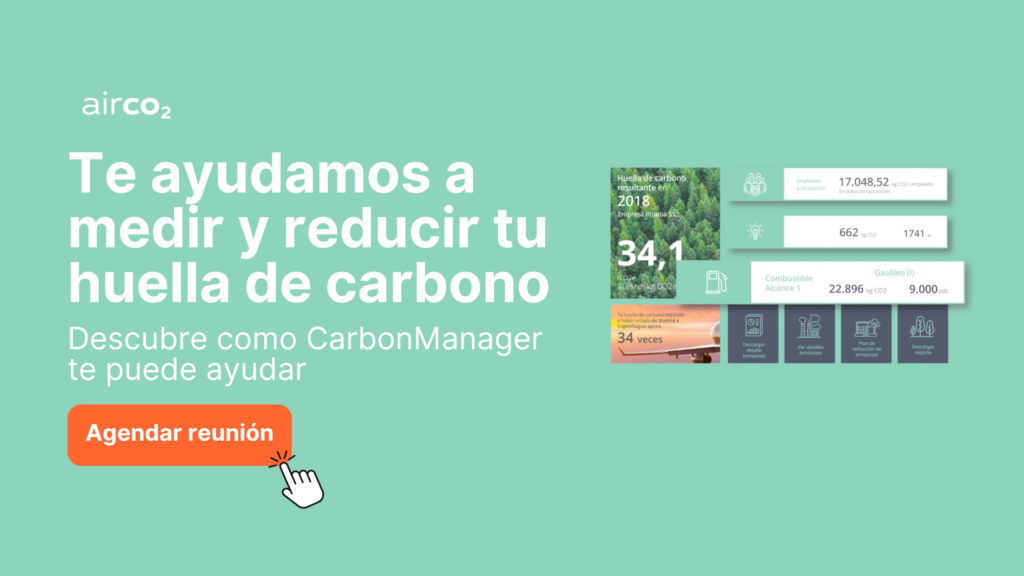
- Carbon footprint calculation: Emissions generated by an activity, process, or product are quantified.
- Emission reduction: Measures are applied to reduce emissions at the source (e.g., energy efficiency).
- Offsetting residual emissions: Emissions that cannot be avoided are offset by purchasing carbon credits, where 1 credit equals 1 metric ton of CO2 avoided or removed.
Types of offset projects:
- Renewable energy: Replaces fossil sources with solar, wind, or hydroelectric energy.
- Reforestation and afforestation: Restores ecosystems that act as natural carbon sinks.
- Energy efficiency: Reduces energy consumption in sectors like industry or housing.
- Carbon capture and storage (CCS): Extracts CO2 from emission sources or directly from the air.
Carbon markets:
- Regulated market: Linked to international agreements such as the Kyoto Protocol or the Paris Agreement.
- Voluntary market: Allows companies or individuals to offset emissions on their own initiative, as part of their sustainability strategy.
Key considerations:
- Offsetting should not replace direct reduction actions.
- It is essential that projects are verifiable, additional, and permanent.
- COP29 promoted global standards to ensure transparency and effectiveness in the credit market.
At airCO2 we help you calculate your footprint, reduce your emissions, and offset with verified projects.